Why Sustainable Packaging is the Future of Everything
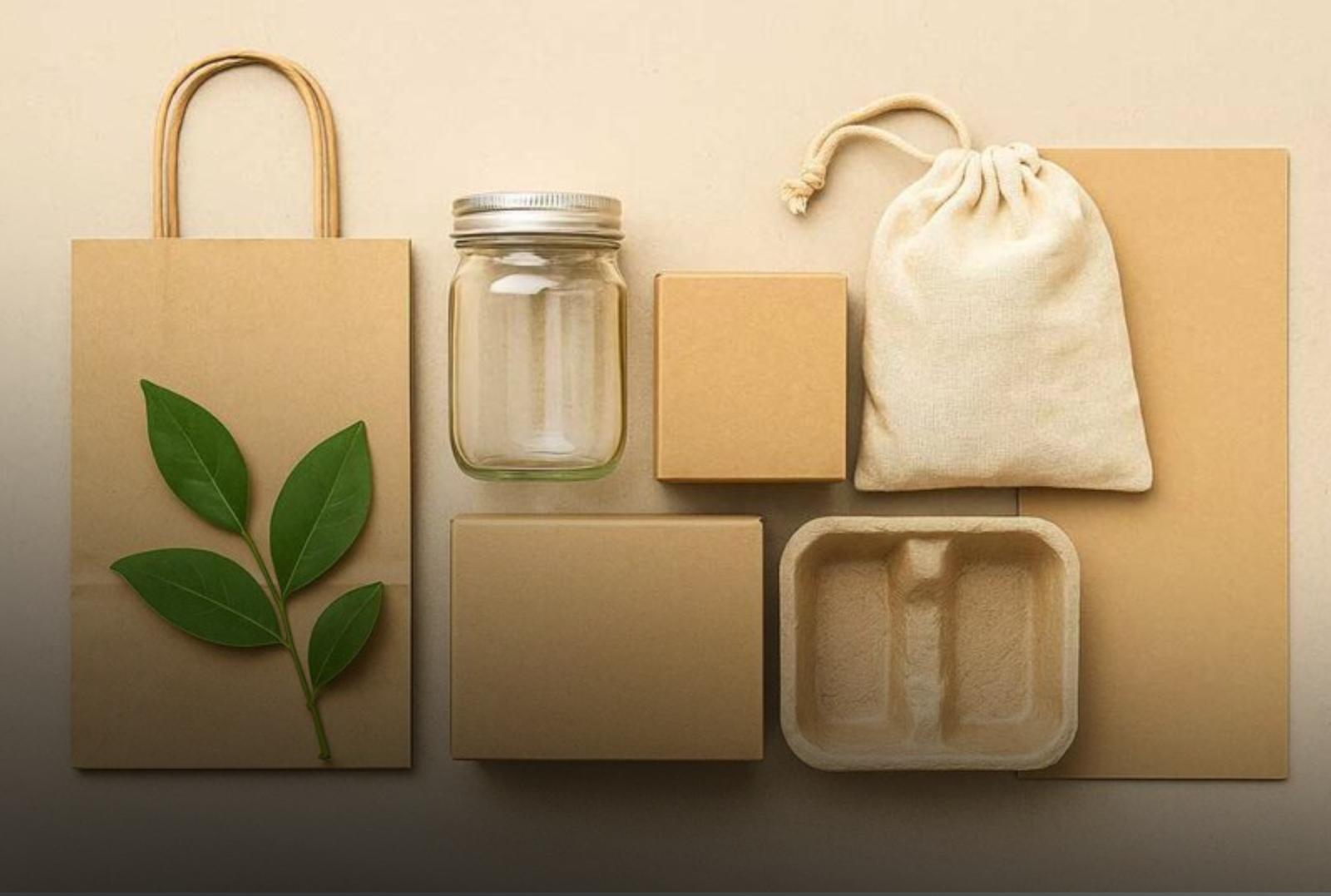
In the time it took you to click on this article and read the first sentence, several thousand pounds of plastic waste entered our oceans. Most of it wasn't from discarded electronics or industrial scrap but it was from the wrappers, boxes, and containers that hold our everyday goods.
For decades, packaging was designed for a single, fleeting purpose: to get a product from Point A to Point B safely and cheaply. What happened at Point C the landfill was someone else’s problem. But the "someone else" has turned out to be all of us.
Sustainable packaging is no longer a niche trend for high-end organic brands. It is a fundamental shift in how we produce, consume, and dispose of goods. In this guide, we’ll break down what it actually is, why it’s non-negotiable for the modern world, and how we can move toward a truly circular economy.
What Exactly Is Sustainable Packaging?
At its simplest, sustainable packaging is the development and use of wrapping and containers that have a minimal impact on the environment. However, "minimal impact" is a broad term. To be truly sustainable, packaging should meet the following criteria:
- Sourcing: It is made from responsibly sourced, recycled, or renewable materials.
- Manufacturing: The production process is energy-efficient and utilizes clean energy where possible.
- Functionality: It must still protect the product (if the product breaks, the environmental cost of the waste is even higher).
- End-of-Life: It can be effectively recycled, composted, or reused.
The Myth of "Green" vs. Truly Sustainable
We often see words like "natural" or "eco-friendly" slapped onto plastic bottles. This is often greenwashing. True sustainability looks at the Life Cycle Assessment (LCA) of a package. For example, a heavy glass jar might seem more "natural" than a thin plastic pouch, but if that glass jar requires ten times more fuel to transport because of its weight, is it actually better for the planet? Sustainable packaging requires looking at the whole picture, from the soil to the shelf and back to the soil again.
Why Sustainable Packaging Matters: The "Why" Behind the Change
If you’re a business owner, a policymaker, or a conscious consumer, the "why" usually boils down to three major pillars: the Planet, the People, and the Profit.
1. Environmental Preservation
Our current "take-make-waste" model is exhausting the earth’s resources.
- Reducing Carbon Footprint: Traditional plastic is derived from fossil fuels. By switching to plant-based bioplastics or recycled content, we significantly lower greenhouse gas emissions.
- Ocean Health: By 2050, studies suggest there could be more plastic in the ocean than fish by weight. Sustainable packaging aims to keep materials out of waterways.
- Biodiversity: Excessive logging for virgin paper packaging destroys habitats. Sustainable sourcing (like FSC-certified paper) ensures forests are managed responsibly.
2. Regulatory Pressure and Policy
Governments worldwide are waking up. From the EU’s strict "Green Deal" to California’s bans on single-use plastics, the law is catching up with the science. Companies that don't adapt now will face massive fines and "extended producer responsibility" (EPR) taxes, where they are charged for the cost of cleaning up their own packaging.
3. The Shift in Consumer Sentiment
Modern consumers, particularly Gen Z and Millennials, are "voting with their wallets." A 2023 McKinsey report found that products with ESG (Environmental, Social, and Governance) claims on their packaging averaged 28% cumulative growth over a five-year period, compared to 20% for products that made no such claims. People want to feel good about what they buy.
The Materials Leading the Charge
We are moving far beyond just "paper or plastic." The innovation in material science today is staggering.
|
Material Type |
How it Works |
Best Use Case |
|
Mushroom Packaging |
Made from mycelium (fungus roots) and agricultural waste. Fully compostable at home. |
Protective inserts for electronics or glass. |
|
Seaweed Packaging |
Edible or biodegradable film made from marine algae. |
Sachet liquids (sauces, shampoos) and snacks. |
|
Post-Consumer Recycled (PCR) |
Plastics or paper that have already been recycled and turned into new items. |
Bottles, mailing bags, and shipping boxes. |
|
Plant-Based Bioplastics |
Derived from corn starch or sugarcane rather than petroleum. |
Compostable cutlery and food containers. |
The "Three R's" Reimagined for 2026
We all know "Reduce, Reuse, Recycle," but in the context of modern packaging, they have taken on new, more sophisticated meanings.
Reduce: The Art of Minimalism
The most sustainable package is the one that doesn't exist. "Right-sizing" involves designing packaging that fits the product perfectly, eliminating the need for "void fill" (those annoying plastic air pillows). Concentration is another form of reduction, think of laundry detergent sheets or concentrated soaps that turn a large plastic jug into a small paper envelope.
Reuse: The Return of the Milkman Model
We are seeing a massive resurgence in Refillable Systems. Brands like Loop or Blueland allow customers to buy a beautiful, permanent container once and then receive refills in minimal, compostable packaging. This shifts the mindset from "disposable" to "durable."
Recycle: Closing the Loop
Recycling only works if the infrastructure exists. Sustainable packaging design now focuses on Mono-materials. If a pouch is made of three different types of plastic bonded together, it’s impossible to recycle. If it’s made of one single type of high-quality polymer, it can be melted down and used again and again.
The Challenges: It's Not Always Easy Being Green
It would be dishonest to say that switching to sustainable packaging is a simple "plug-and-play" solution. There are real hurdles that businesses face:
- Cost: Sustainable materials are often more expensive than virgin plastic because the supply chains aren't as mature. However, as demand scales, prices are dropping.
- Shelf Life: Plastic is an incredible barrier against oxygen and moisture. Finding a compostable material that keeps food fresh for six months is a massive engineering challenge.
- Infrastructure Gaps: You can create a "compostable" fork, but if your city doesn't have an industrial composting facility, that fork will sit in a landfill for decades, just like plastic.
How You Can Make an Impact Today
Whether you are a consumer or a business leader, you have the power to accelerate this transition.
As a Consumer:
- Check the labels: Look for "How2Recycle" labels that give clear instructions.
- Support "Naked" Products: Choose loose produce or solid bar soaps instead of bottled versions.
- Demand Transparency: If your favorite brand uses excessive plastic, send them an email or tag them on social media. They listen to their customers.
As a Business:
- Start Small: You don't have to overhaul your entire line overnight. Start by switching your shipping tape to paper-based tape or using recycled mailers.
- Audit Your Waste: Look at your returns process and shipping methods. Where is the "air" in your boxes?
- Partner Up: Collaborate with material science startups to stay ahead of the regulatory curve.
Conclusion: The New Standard
Sustainable packaging is no longer an "extra." It is a fundamental requirement for a world with limited resources and a growing population. We are moving toward a future where "waste" is a design flaw, not an inevitability.
By choosing materials that give back to the earth instead of taking from it, we aren't just protecting the environment in fact we are building more resilient businesses and a more conscious society. The box your next delivery arrives in might seem small, but the philosophy behind it is what will change the world.