The Ultimate Guide to Packaging: Choosing What’s Best for Your Brand (and the Planet)
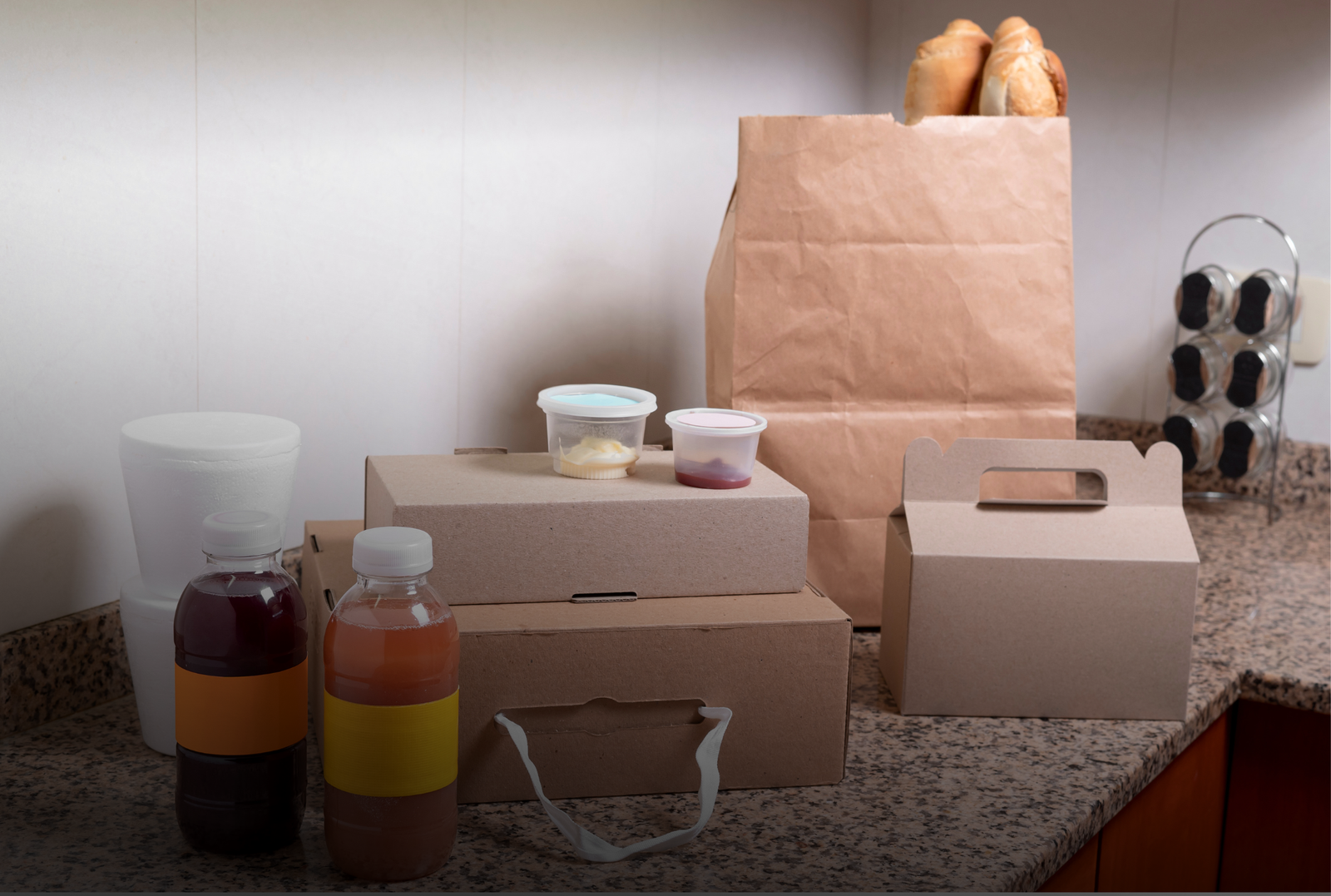
Think about the last thing you ordered online. Before you got to the "good stuff" inside, you had to deal with the exterior. Maybe it was a sleek matte box that felt like luxury, or perhaps it was a recycled mailer that made you feel good about your carbon footprint.
Packaging isn't just a container; it’s a handshake. It’s the first physical touchpoint a customer has with your brand. Choosing the right material is a balancing act between protection, cost, aesthetics, and sustainability.
In this guide, we’re breaking down the most common types of packaging materials to help you decide which one fits your "vibe" and your budget.
1. Paperboard (The Lightweight Champion)
If you’ve ever bought a box of cereal or a new lipstick, you’ve handled paperboard. It’s created by turning wood into pulp and then bleaching or treating it to create a smooth surface.
- Why it’s great: It’s incredibly easy to print on. If you want high-res graphics and vibrant colors, paperboard is your best friend.
- Best for: Cosmetics, food (dry goods), pharmaceuticals, and retail gift boxes.
- The Downside: It’s not very strong. Don’t expect paperboard to survive a heavy rainstorm or a 10-foot drop.
2. Corrugated Cardboard (The Heavy Lifter)
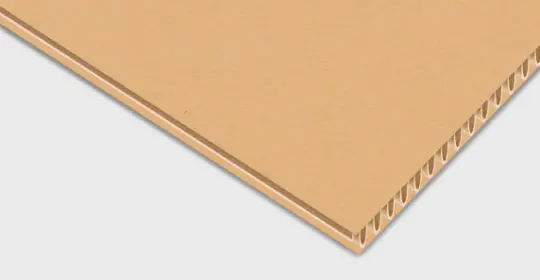
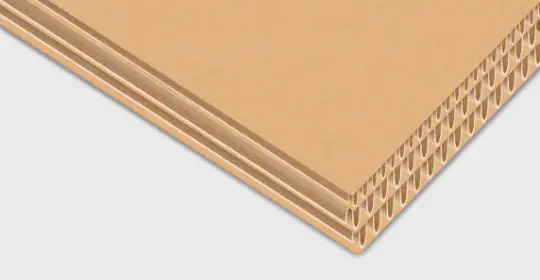
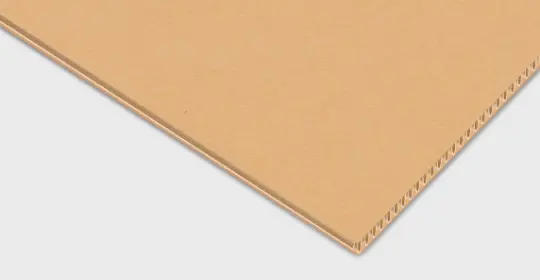
Don't call it just "cardboard." Corrugated material is the backbone of the shipping industry. It consists of three layers: an inside liner, an outside liner, and a fluted (waved) medium in between.
- The "Flute" Factor: That wavy layer provides cushioning and structural strength.
- Sustainability: It is one of the most recycled materials on the planet.
- Best for: Shipping boxes, subscription boxes, and protective inserts.
Pro Tip: If you're shipping fragile items, look into "Double Wall" corrugated boxes for extra protection.
3. Plastic Packaging (The Versatile Veteran)
Plastic gets a bad rap, but in terms of versatility and cost-effectiveness, it’s hard to beat. From rigid bottles to flexible films, plastic is everywhere.
Common Types of Plastic:
- PET (Polyethylene Terephthalate): Clear, strong, and 100% recyclable. Most soda and water bottles are PET.
- HDPE (High-Density Polyethylene): Tough and chemical-resistant. Think milk jugs and detergent bottles.
- LDPE (Low-Density Polyethylene): Flexible and soft. This is what bubble wrap and grocery bags are made of.
4. Glass Packaging (The Premium Choice)
Nothing says "high-end" like glass. It’s heavy, it’s transparent, and it feels expensive in the hand.
- Non-Reactive: Unlike some plastics, glass doesn’t leach chemicals into the product. This makes it the gold standard for high-end skincare and luxury spirits.
- Infinite Recyclability: Glass can be recycled over and over without losing quality.
- The Catch: It’s heavy (which increases shipping costs) and fragile.
5. Aluminum and Metal (The Vault)
From soda cans to fancy tea tins, metal packaging offers the best barrier properties. It blocks out 100% of light, oxygen, and moisture.
- Aesthetic Appeal: Metal can be embossed or printed with a metallic sheen that pops on a shelf.
- Durability: It protects against almost everything.
- Best for: Canned beverages, aerosols, and premium "keepsake" tins.
6. Flexible Packaging (The Modern Maverick)
Flexible packaging (pouches, sachets, and films) is taking over the grocery aisles. It uses less material than rigid containers, which means it’s lighter and takes up less space in a truck.
- Stand-Up Pouches: These have become the go-to for coffee, granola, and even baby food.
- Efficiency: Because it’s flat before it’s filled, you can store thousands of empty pouches in the space it would take to store a hundred glass jars.
7. Bioplastics and Compostable Materials (The Future)
As consumers become more eco-conscious, brands are moving toward "Earth-first" materials.
- Mushroom Packaging: Made from mycelium (fungus roots). It’s completely biodegradable and grows in a mold.
- Corn Starch (PLA): Looks and feels like plastic but is made from fermented plant starch.
- Seaweed Packaging: An emerging tech that is edible and dissolves in water.
How to Choose the Right Material for Your Product
Choosing your packaging isn't just about what looks cool. You need to run it through a "stress test" of four questions:
1. What is the Product's Weight?
If your product is heavy (like a cast-iron skillet), you need Double-Wall Corrugated. If it's light (like a silk scarf), a Poly Mailer or Paperboard Box will suffice.
2. Is it Perishable?
Food and beverage items need barriers. Glass or metal are best for long shelf lives, while flexible pouches with "high-barrier" films are great for snacks.
3. What is the Shipping Journey?
If you are a D2C (Direct-to-Consumer) brand, your package will be tossed, stacked, and moved through several sorting facilities. You need "Frustration-Free" packaging that can take a beating.
4. What is Your Brand Identity?
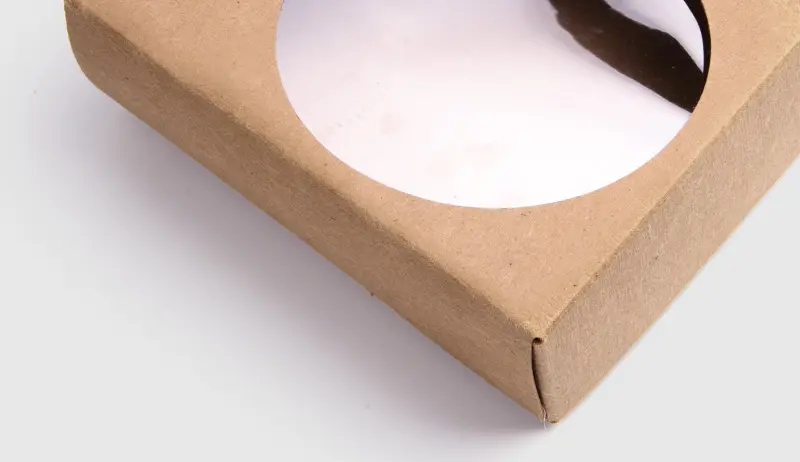
- Eco-Friendly: Recycled Kraft paper or compostable mailers.
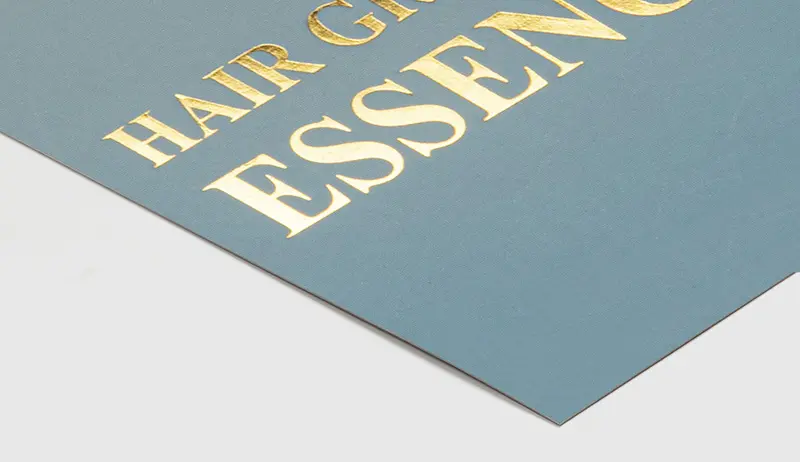
- Luxury: Glass, heavy-weight paperboard with gold foil, or rigid boxes.
- Minimalist: Clean, white corrugated boxes with simple typography.
Summary Table: Packaging Comparison
|
Material |
Durability |
Cost |
Sustainability |
Best Use Case |
|
Paperboard |
Low |
Low |
High |
Retail/Cosmetics |
|
Corrugated |
High |
Medium |
High |
Shipping/E-commerce |
|
Plastic |
High |
Low |
Low-Medium |
Beverages/Cleaning |
|
Glass |
Medium |
High |
High |
Luxury/Food |
|
Metal |
Very High |
High |
High |
Canned Goods/Tins |
|
Flexible |
Medium |
Low |
Medium |
Snacks/Refills |
Conclusion
Packaging is a silent salesman. The material you choose tells your customer exactly what to expect before they even open the box. Whether you go for the rugged reliability of corrugated cardboard or the futuristic appeal of compostable seaweed, make sure it aligns with your brand’s values and protects your product's integrity.