Pharmaceutical Packaging: Safety and Compliance
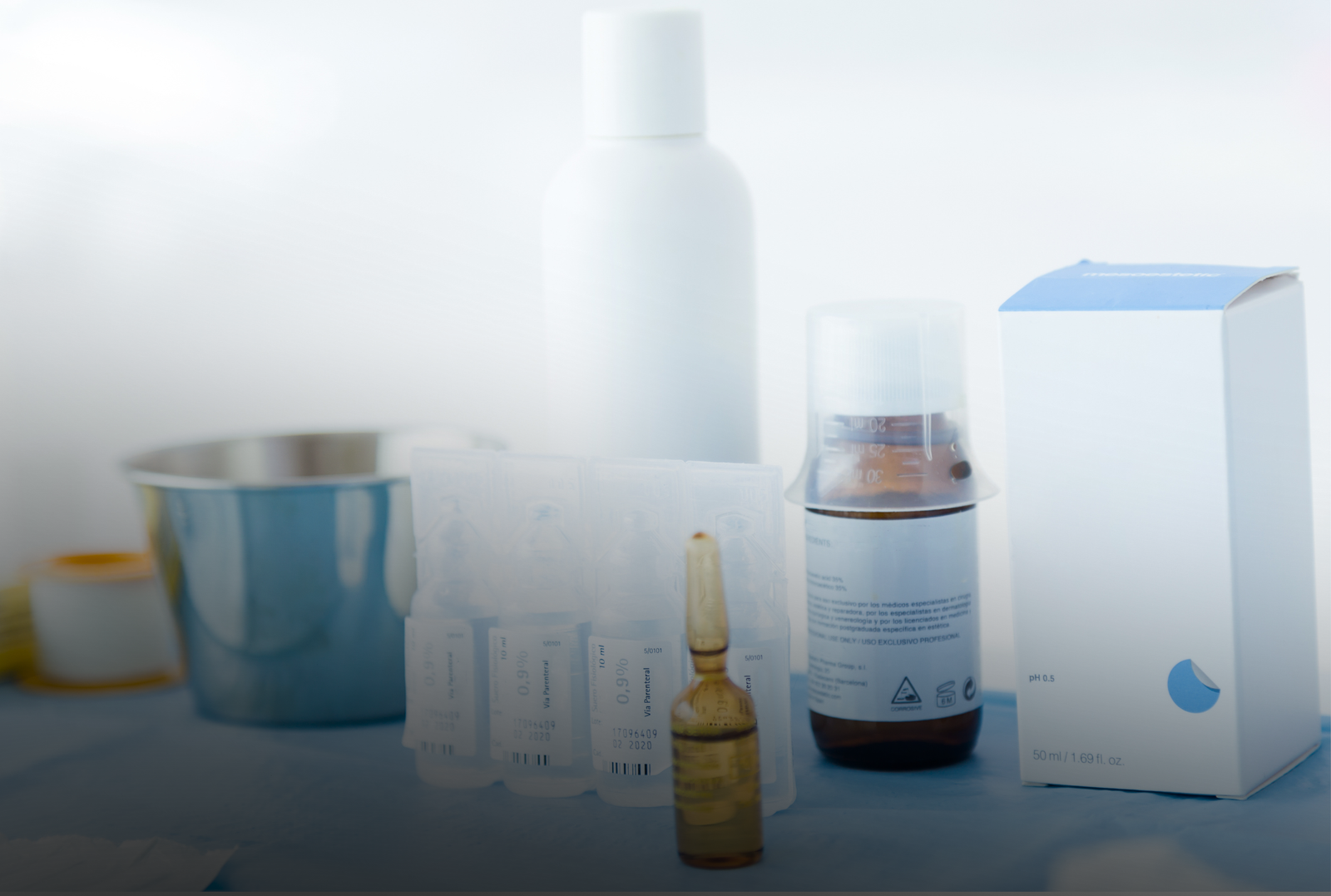
In the high-stakes world of modern medicine, a drug is only as effective as the vessel that carries it. We often think of "the cure" as the chemical compound inside the bottle, but in 2026, the bottle itself has become a high-tech guardian of public health.
As the pharmaceutical packaging market surges toward an estimated $140 billion this year, the industry is moving beyond simple containment. Today’s packaging must solve a complex puzzle: it must be strong enough to withstand global shipping, smart enough to catch counterfeiters, secure enough to keep children out, yet simple enough for an elderly patient with arthritis to open.
Here is a deep dive into the critical world of pharmaceutical packaging safety and compliance.
1. The Three Pillars of Protection: Primary, Secondary, and Tertiary
To understand compliance, we first have to look at the layers of defense. Packaging isn't just one box; it's a tiered system designed for specific threats.
- Primary Packaging: This is the "inner circle." It directly touches the medication (think blister packs, glass vials, or plastic bottles). Its job is barrier integrity preventing moisture, light, or oxygen from degrading the drug.
- Secondary Packaging: The box or carton that holds the primary pack. This is the "information hub," carrying the critical labels, Braille, and barcodes required by regulators like the FDA and EMA.
- Tertiary Packaging: The heavy-duty pallets and crates used for bulk shipping. Its goal is pure physical protection and logistical tracking.
2. The "Double-Edged" Challenge: Child-Resistant vs. Senior-Friendly
One of the most difficult engineering feats in the industry is balancing Child-Resistant (CR) mechanisms with Senior-Friendly accessibility.
In 2026, regulators have intensified requirements for "special packaging." A bottle must be a "riddle" to a four-year-old but an "open door" to an eighty-year-old. Innovations in this space include:
- Squeeze-and-Turn Caps: Requiring dual-motion coordination that children haven't yet developed.
- Slide-and-Lock Blisters: These require a specific pressure point to be held while sliding the card, a task that demands cognitive intent rather than raw strength.
- Ergonomic Grips: Using high-friction materials and "winged" caps to help patients with limited hand strength maintain independence without risking a spill.
The Compliance Fact: According to industry standards (like ISO 8317), a package is only certified as Child-Resistant if a specific percentage of children cannot open it within a set time, while a high percentage of seniors can.
3. Smart Packaging: The Digital Sentry
We have entered the era of the "Connected Carton." Static labels are being replaced by smart technologies that ensure the drug you’re taking is exactly what the doctor ordered.
Serialization and Traceability
Under the Drug Supply Chain Security Act (DSCSA) and the EU Falsified Medicines Directive (FMD), every single unit of medicine now carries a unique digital "fingerprint."
- 2D DataMatrix Codes: These allow pharmacists to scan a box and instantly see its entire history from the factory floor in Germany to the pharmacy shelf in New York.
- RFID and NFC: Some premium medications now feature Near-Field Communication (NFC) tags. A patient can tap their smartphone against the box to verify it isn't a counterfeit and watch a video on how to properly administer the dose.
Cold Chain Monitoring
For biologics and vaccines, which can be ruined by a single hour in the heat, packaging now acts as a sensor.
- Time-Temperature Indicators (TTIs): Smart labels that change color if the package has exceeded its safe temperature range.
- IoT Sensors: Real-time tracking devices that alert manufacturers the moment a shipping container's refrigeration fails.
4. The Labeling Maze: Accuracy as a Lifeline
The most frequent cause of "medical events" isn't the drug itself it's a misunderstanding of how to use it. Compliance in 2026 focuses heavily on hyper-legibility.
|
Requirement |
FDA (United States) |
EMA (European Union) |
|
Primary Rule |
Physician Labeling Rule (PLR) |
QRD Template |
|
Braille |
Not strictly mandated |
Required on outer packaging |
|
Language |
English |
All official EU member state languages |
|
Tamper Evidence |
Mandatory for OTC and most Rx |
Mandatory for all prescription drugs |
5. The Green Revolution: Sustainability vs. Stability
In 2026, "Safety" also means environmental safety. The pharmaceutical industry is a massive producer of plastic waste, but switching to "eco-friendly" materials is risky. A biodegradable bottle is useless if it leaches chemicals into the medicine.
The industry is currently pivoting toward:
- Mono-material Blisters: Moving away from the traditional "plastic + foil" combo (which is nearly impossible to recycle) toward single-polymer designs that can go straight into the recycling bin.
- Plant-Based Secondary Packaging: Using mushroom-based or seaweed-based inserts instead of plastic foams for shipping fragile vials.
- Late-Stage Customization: Printing labels on-demand to reduce the waste of pre-printed boxes that might expire before they are used.
6. The Future: AI-Driven Design
As we look toward 2027 and beyond, Artificial Intelligence is beginning to design the "perfect" package. By simulating how a molecule interacts with different plastic polymers over five years, AI can predict shelf-life stability in seconds, helping companies bring life-saving drugs to market faster and more safely than ever before.
Summary Checklist for Packaging Compliance:
- [ ] Integrity: Does it provide a 100% sterile barrier?
- [ ] Security: Is there a visible "Tamper-Evident" seal?
- [ ] Accessibility: Does it meet the "Senior-Friendly" ease-of-use test?
- [ ] Traceability: Is the unique 2D barcode scanable and registered?
- [ ] Information: Are the warnings, dosage, and Braille clearly visible?
Conclusion
Pharmaceutical packaging is no longer a passive container; it is an active participant in the healthcare journey. By merging rigorous regulatory compliance with cutting-edge "smart" tech, the industry is ensuring that every pill, vial, and syringe arrives in the patient's hands exactly as the scientist intended: safe, effective, and authentic.