Packaging Solutions for Food and Beverage Products
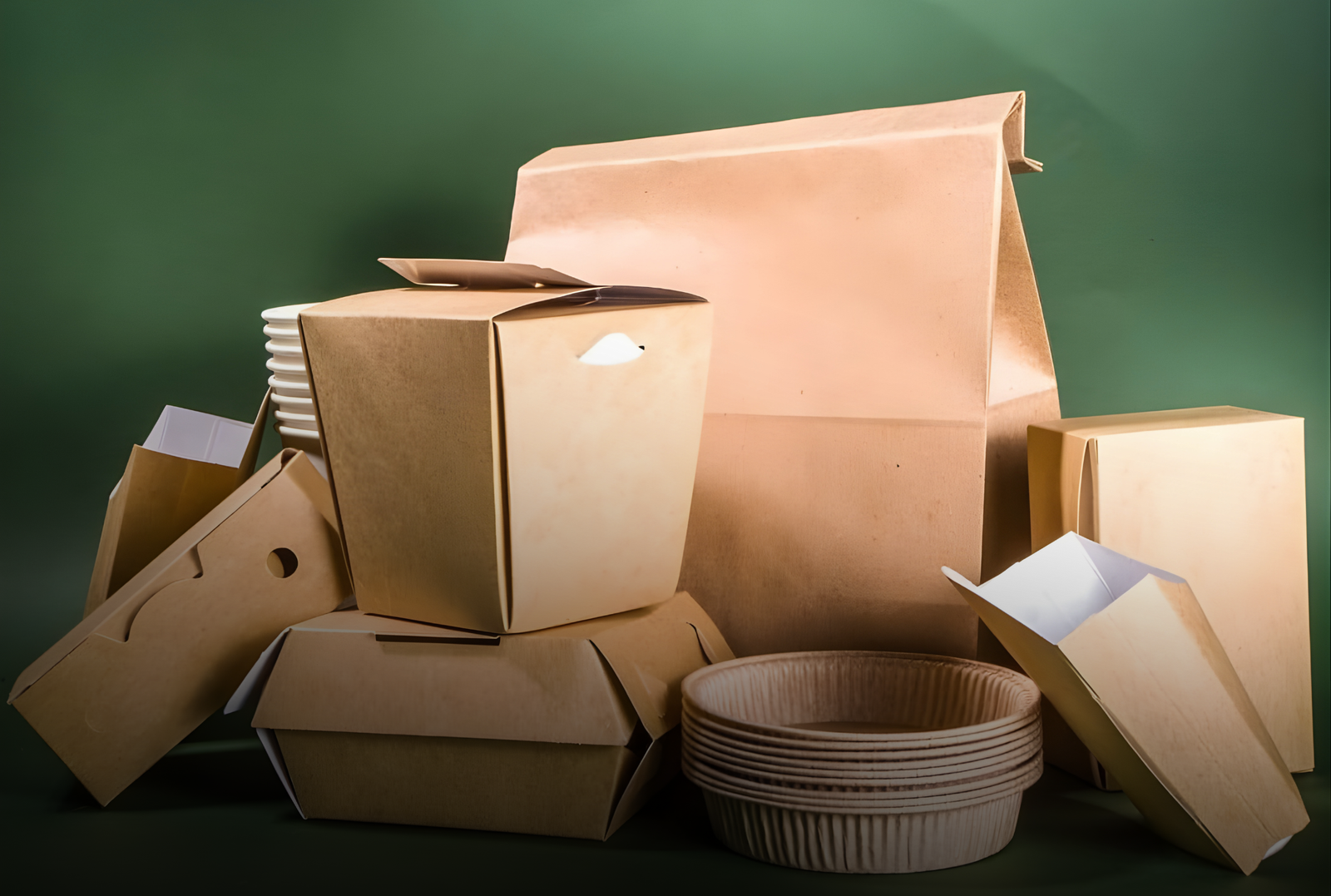
1. The Sustainability Scramble: Beyond "Recyclable"
For years, "recyclable" was the gold standard. In 2026, it’s the bare minimum. Driven by strict new Extended Producer Responsibility (EPR) laws, brands are now financially responsible for the entire lifecycle of their packaging. This has sparked a "sustainability scramble" to find materials that don't just sit in a blue bin, but actually disappear.
The Rise of Bio-Materials
- Mushroom (Mycelium) Packaging: No longer a niche experiment, mycelium is now a mainstream replacement for Styrofoam. It’s grown, not manufactured, and can be tossed into a garden to decompose in weeks.
- Seaweed and Algae Films: Edible or water-soluble, these films are replacing single-serve plastic sachets for sauces and snacks. Imagine a ketchup packet you can safely dissolve in hot water or even eat!
- Paper is King: Thanks to advances in grease-resistant coatings that don’t rely on plastic linings, paper is taking over categories once dominated by plastic, from frozen meal trays to high-end coffee pouches.
"Rightweighting"
Sustainability isn't just about what the material is, but how much of it is used. Rightweighting is the process of reducing the weight of glass bottles or plastic containers without sacrificing strength is the trend of the year. Every gram removed from a glass beer bottle saves massive amounts of energy in shipping and production.
2. Smart Packaging: The "Internet of Bottles"
In 2026, the humble QR code has grown up. We’ve moved into the era of Connected Packaging, where the physical product serves as a portal to a dig ital world.
AI-Enhanced QR Codes
The "Sunrise 2027" initiative is looming, and brands are already shifting to 2D Barcodes. These aren't just for the cashier; they allow consumers to scan a product and immediately see:
- The Farm-to-Table Journey: Real-time data on exactly where the ingredients were sourced.
- Personalized Experiences: Scanning a gin bottle might unlock an AI-generated cocktail recipe based on the other ingredients currently in your fridge.
- Allergen Alerts: Digital labels that update in real-time if a recall is issued or if a formula changes.
Freshness Sensors (Active Packaging)
The "Best Before" date is becoming an antique. Smart labels now use sensors to detect the actual chemical changes in food.
- CO2 and Ammonia Sensors: For meat and seafood, labels change color if gases indicate spoilage, preventing food waste caused by "just in case" tossing.
- Time-Temperature Indicators (TTI): These labels provide an irreversible record of whether a product (like milk or vaccines) stayed at the correct temperature during transit.
3. Design Aesthetics: "Dopamine Branding" vs. Retro-Nostalgia
Visuals in 2026 are split between two powerful emotional extremes: the high-energy future and the comforting past.
Dopamine Branding
After years of "sad beige" minimalism, Dopamine Branding is back. This trend uses vibrant, clashing colors and playful, "bubbly" typography designed to trigger a hit of joy. On a crowded digital shelf (like TikTok Shop), these products are designed to "stop the scroll."
The Nostalgia Reset
On the flip side, we are seeing a massive wave of Retro Rejuvenation. Brands like Pepsi and Jell-O have successfully reverted to logos and packaging styles from the '80s and '90s. Why? Because in a world of AI-generated perfection, "rough," "imperfect," and "vintage" feel more human and trustworthy.
Pro Tip: If you’re launching a "Better-For-You" (BFY) product, keep the messaging simple. 2026 consumers have "information fatigue." Identify your top two benefits (e.g., "High Protein" and "Zero Sugar") and make them the stars. Leave the rest for the QR code.
4. Convenience for the "On-The-Go" Generation
The way we eat has changed. With the rise of single-person households and hyper-busy lifestyles, packaging has to work harder to be convenient.
|
Feature |
Why It Matters in 2026 |
|
Resealability |
50% of consumers now prioritize resealable packs to reduce food waste. |
|
Single-Serve Premium |
Portioned snacks that feel "high-end" rather than "cheap" are booming. |
|
Accessibility |
Inclusive design is a major focus, featuring easy-open tabs and Braille embossing. |
|
Microwave-to-Table |
Packaging that serves as both the cooking vessel and the aesthetic serving dish. |
5. The Role of AI in Manufacturing
Behind the scenes, AI is the silent partner in packaging production. It isn't just designing the graphics; it’s optimizing the supply chain.
- Predictive Maintenance: AI sensors on the factory floor predict when a packaging machine will fail before it happens, preventing costly downtime.
- Digital Twins: Companies are creating virtual "twins" of their packaging to test how it will hold up during a bumpy truck ride or in a humid warehouse before a single physical prototype is made.
- Personalization at Scale: Digital printing allows brands to change labels on the fly. You can now order a case of soda with your team's name on it, and the factory can print it without stopping the line.
Conclusion: Packaging as a Brand Mission
In 2026, your packaging is your promise. It tells the customer that you care about their health (via smart sensors), their time (via convenience features), and their future (via sustainable materials). The brands winning the "Shelf War" are those that treat packaging not as an afterthought, but as a core part of the product experience.
The future of packaging is transparent, intelligent, and surprisingly green. It’s a world where the bottle is just as smart as the phone in your pocket.