Beyond the Box: Why Packaging is the Silent Salesman of Your Brand
Imagine walking down a crowded city street. Hundreds of people pass you by. Most fade into a blur of denim and neutral tones, but then, someone catches your eye. Maybe it’s a vibrant coat, a sharp suit, or a unique accessory. Before they’ve even said "hello," you’ve already made a dozen assumptions about who they are and what they value.
In the world of retail, packaging is that "vibrant coat."
Many business owners view packaging as a utility a necessary evil to get Product A to Customer B without it breaking. But in a marketplace where consumers are bombarded with choices, packaging is far more than a container. It is your brand’s first physical touchpoint, its most consistent marketing tool, and a powerful psychological trigger.
What Exactly Is Packaging?
At its simplest, packaging is the science, art, and technology of enclosing or protecting products for distribution, storage, sale, and use. However, when we talk about it in a branding context, we categorize it into three layers:
- Primary Packaging: This is what touches the product itself (the bottle holding the wine, the wrapper on the candy bar).
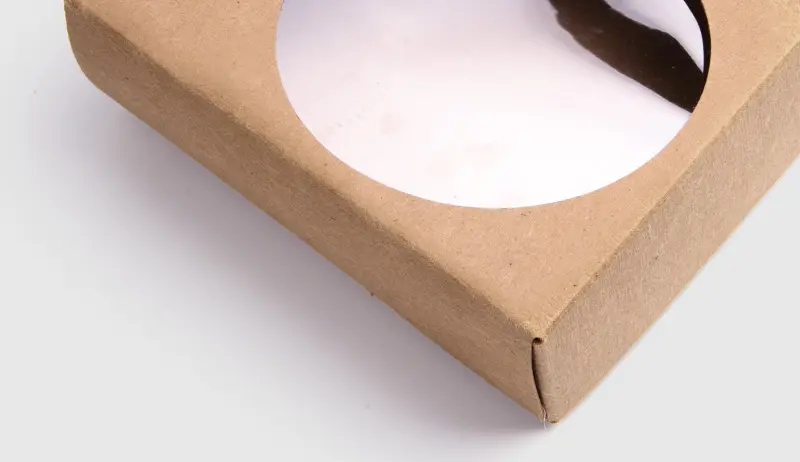
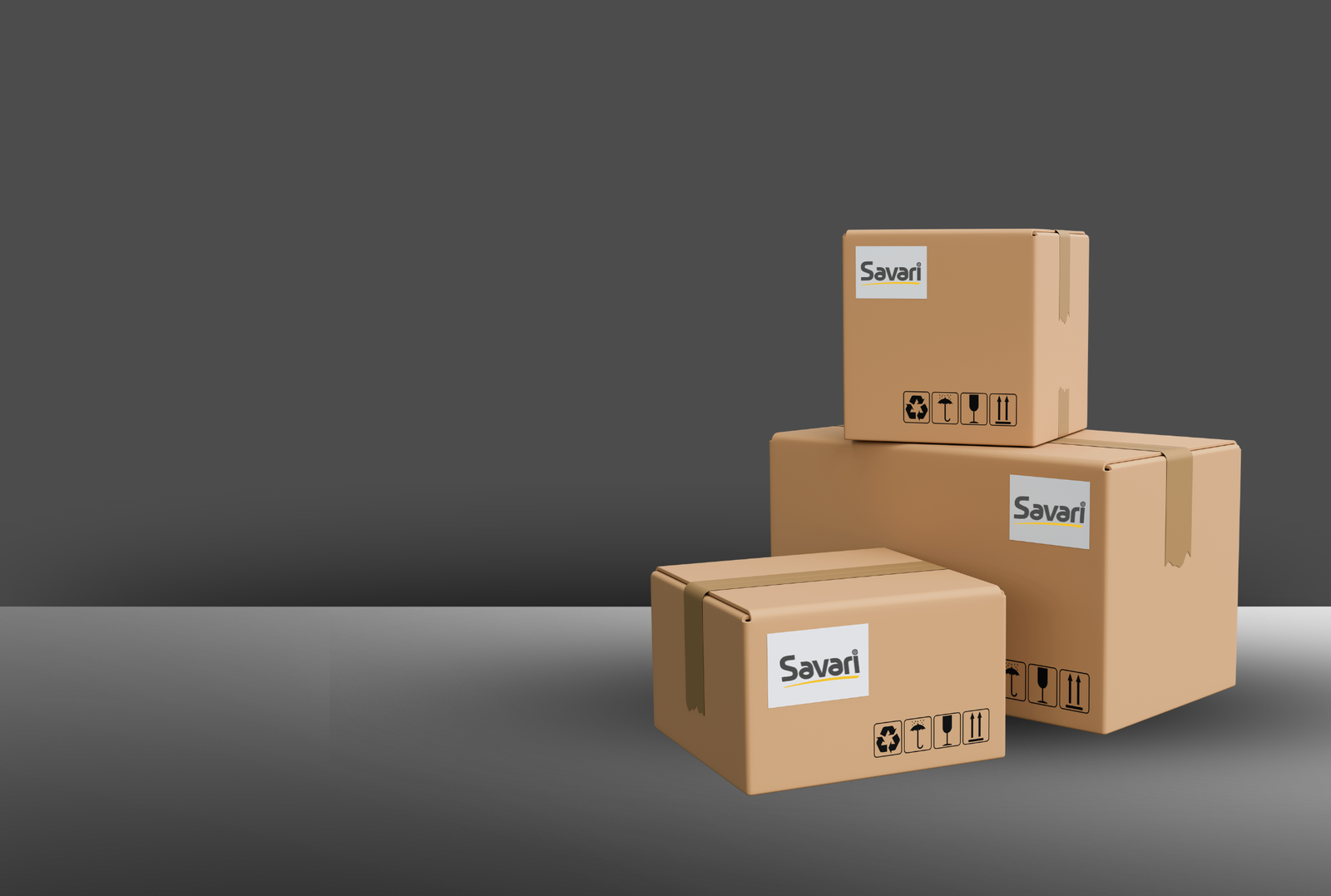
- Secondary Packaging: This is the outer box or wrapping that holds the primary package (the cardboard box containing the wine bottle).
- Tertiary Packaging: This is used for shipping and bulk handling (the large crates or pallets used by warehouses).
For your brand, Primary and Secondary packaging are where the magic happens. This is your "canvas."
Why Packaging Matters: The Psychology of the Unboxing
We live in the era of the "unboxing video." Millions of people tune in to YouTube and TikTok just to watch someone else open a package. Why? Because the anticipation and the tactile experience of revealing a product trigger dopamine in the brain.
Here is why your packaging strategy can make or break your business:
1. The Power of First Impressions
Research suggests that most consumers form an impression of a brand within seven seconds of seeing the product. If your packaging looks cheap, flimsy, or outdated, that perception immediately transfers to the product inside regardless of how high-quality it actually is.
2. Differentiation in a Crowded Market
Go to the cereal aisle of any grocery store. You’ll see thirty different brands of toasted oats. How do you choose? Usually, it’s the one that "speaks" to you visually. Packaging allows you to stand out through:
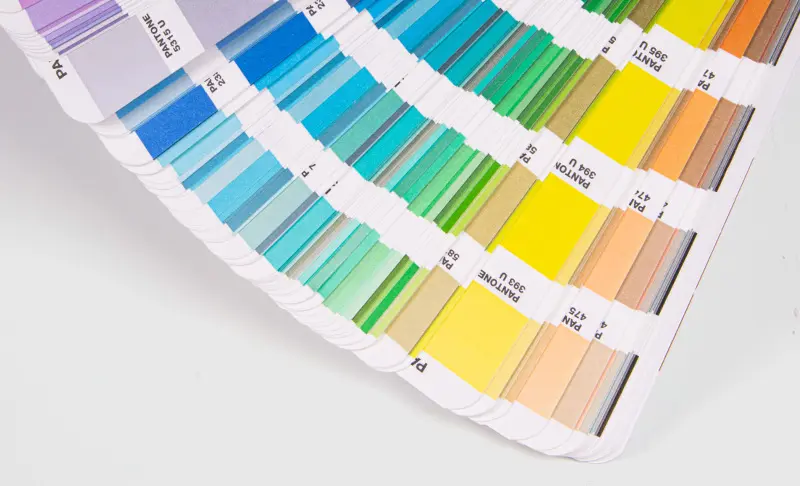
- Color Psychology: Blue for trust, red for excitement, green for health.
- Typography: Bold sans-serif for modern brands, elegant script for luxury.
- Shape: Think of the iconic Coca-Cola bottle; you can recognize it just by touch in the dark.
3. Communicating Brand Values
Today’s consumer is more conscious than ever. They don’t just buy what you make; they buy why you make it.
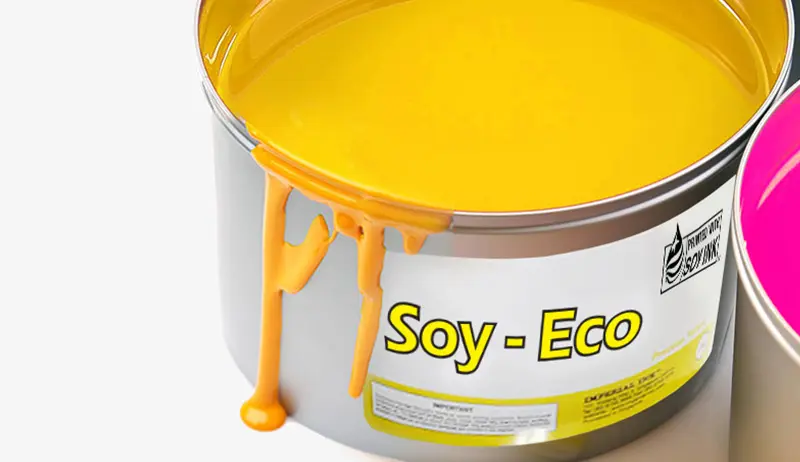
- Eco-Friendly Packaging: Using recycled or compostable materials tells your customer you care about the planet.
- Minimalism: Clean, simple packaging suggests transparency and honesty.
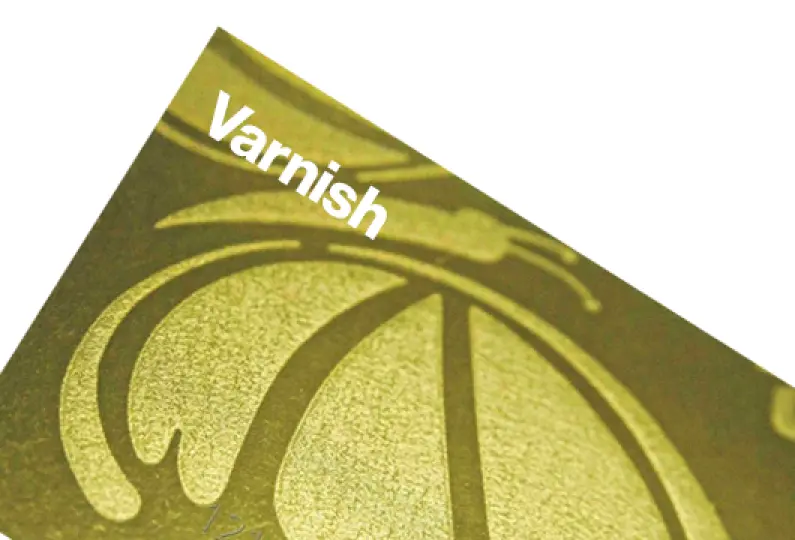
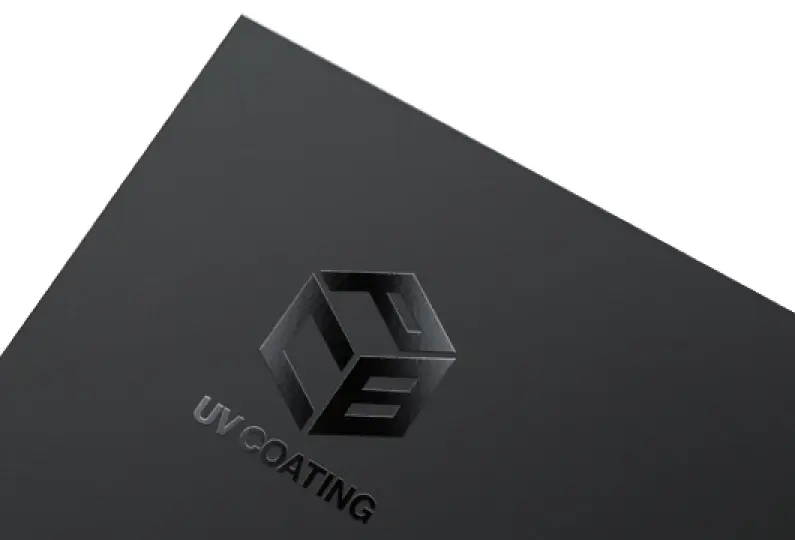
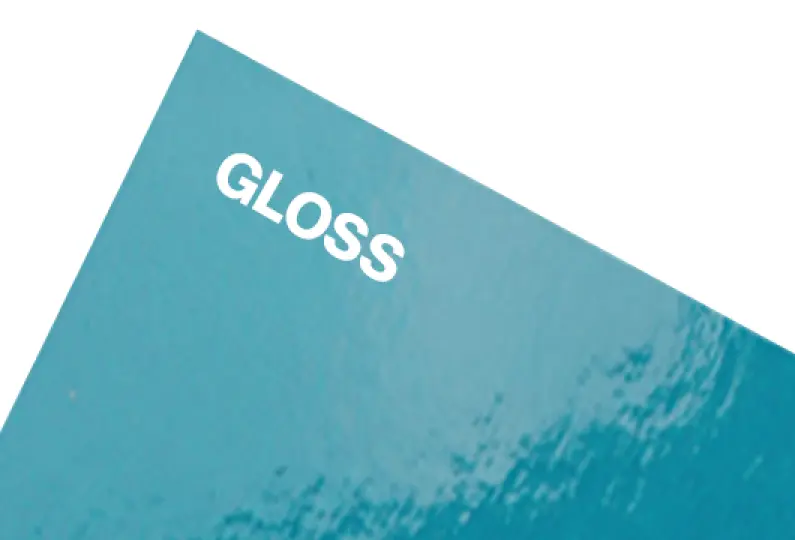
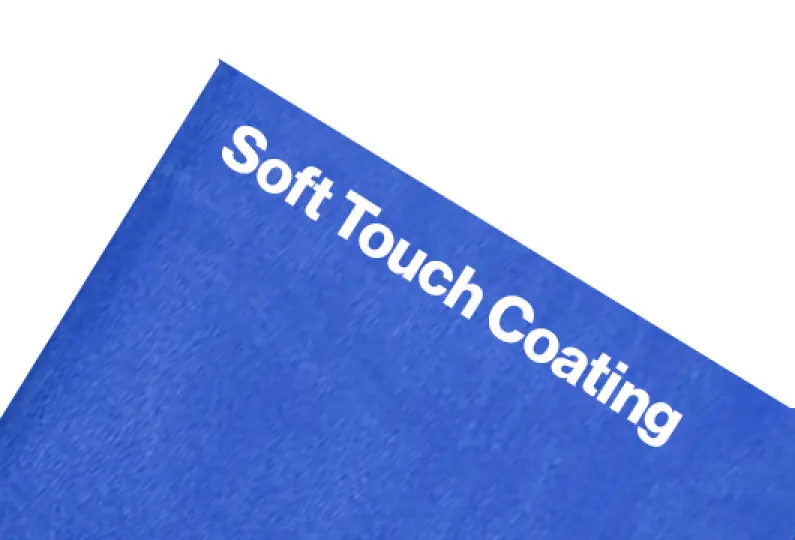
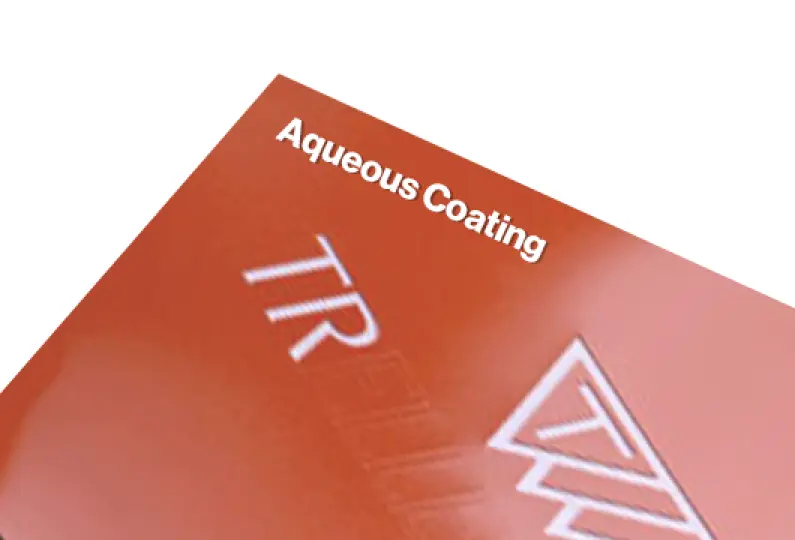
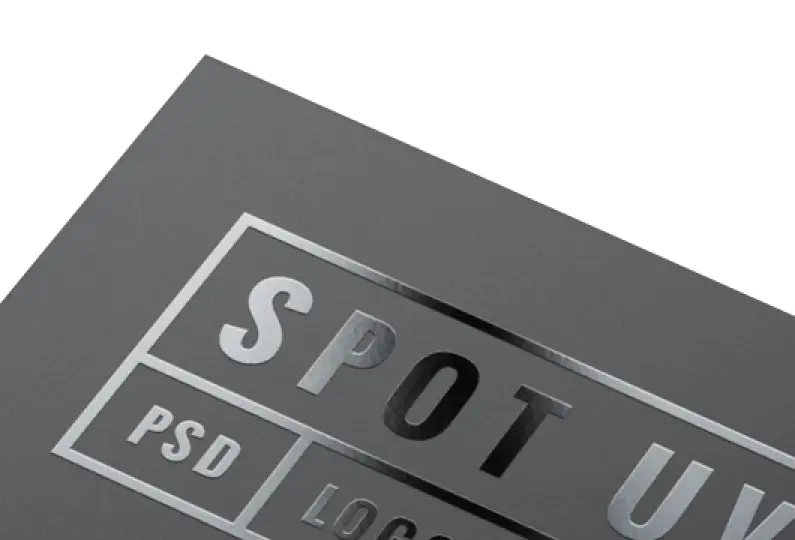
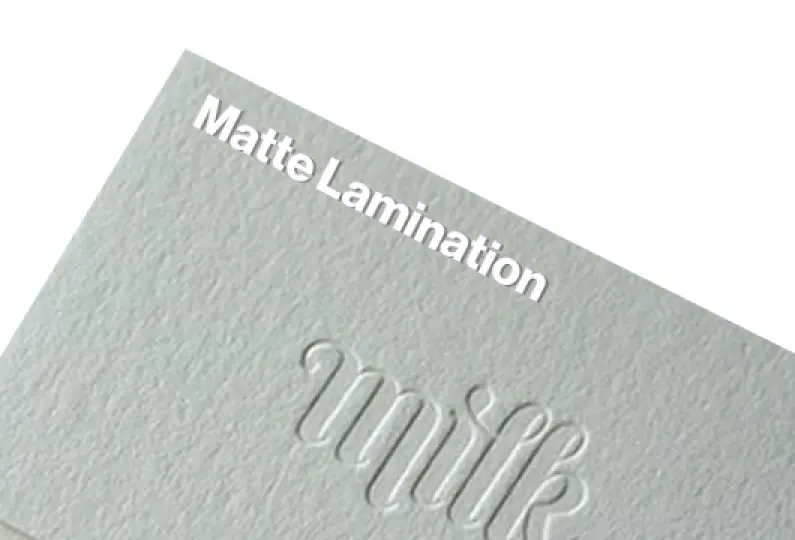
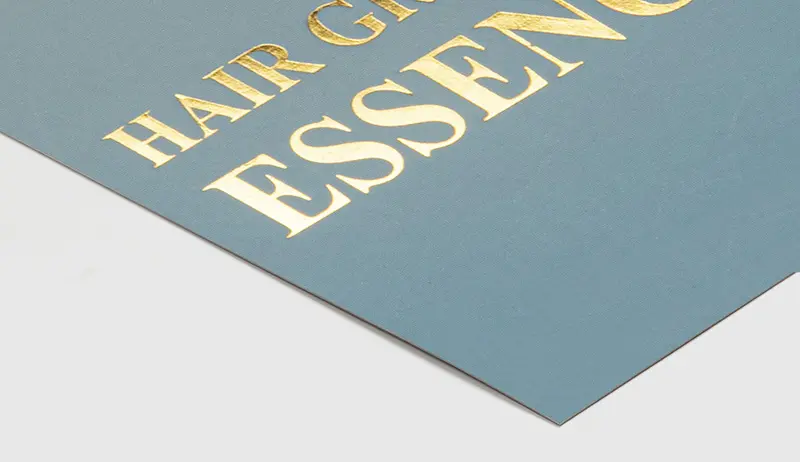
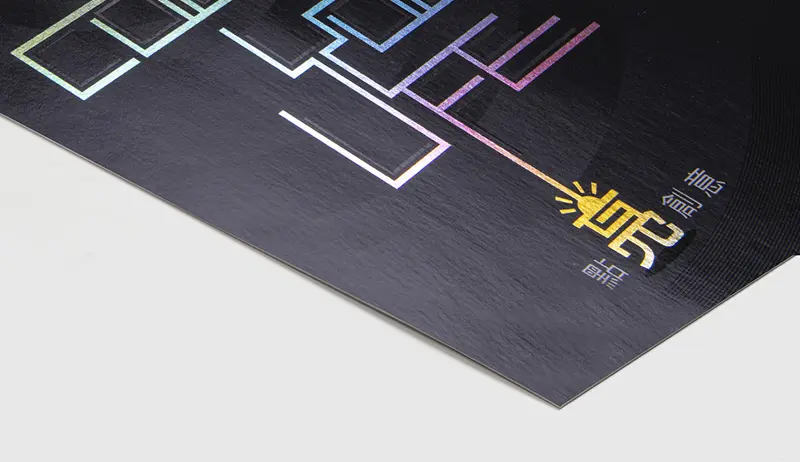
- Premium Textures: Using foil stamping or "soft-touch" matte finishes tells the customer they are holding something exclusive.
The Practical Pillars of Great Packaging
While aesthetics are vital, packaging must still perform its "day job." A beautiful box that arrives crushed is a failure.
Protection and Security
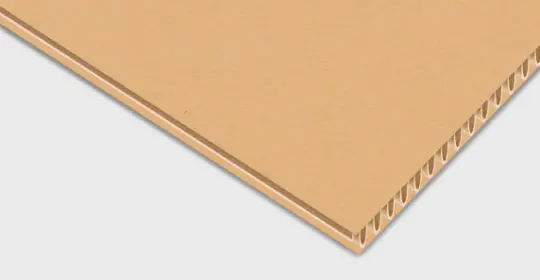
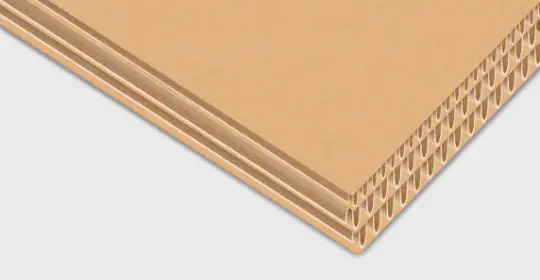
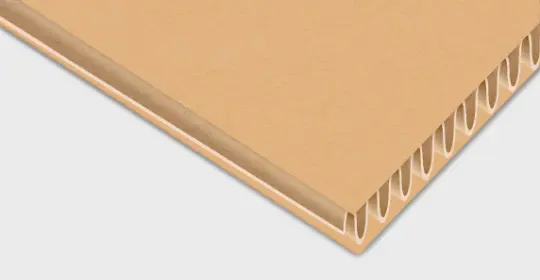
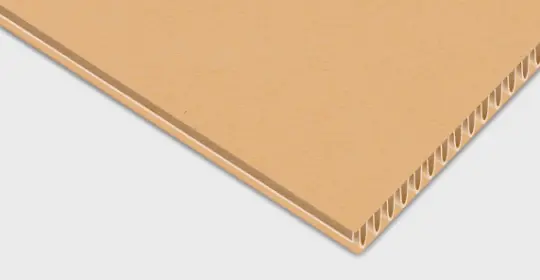
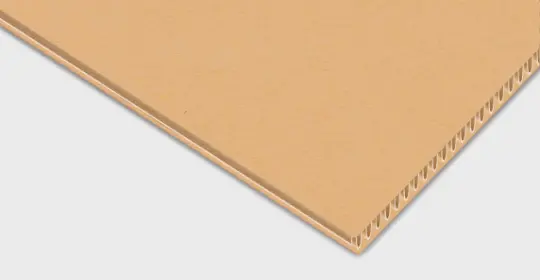
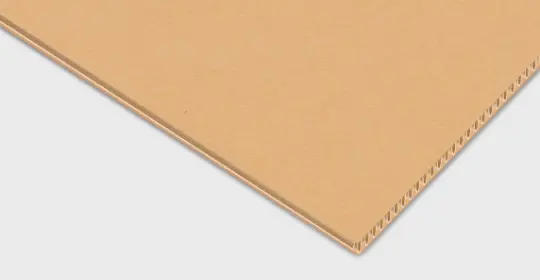
The primary goal is to ensure the product reaches the consumer in mint condition. This involves choosing the right materials ribbed cardboard for strength, bubble wrap or molded pulp for cushioning, and tamper-evident seals for safety.
Functionality and Usability
Have you ever struggled to open a "clamshell" plastic package? It’s frustrating. Good packaging considers the user experience (UX). Is it easy to open? Is it resealable? Is it easy to store in a cupboard?
Information and Compliance
Your package is a legal document. It must clearly state:
- Ingredients or materials.
- Usage instructions.
- Safety warnings.
- Nutritional information (if applicable).
- Barcodes and shipping data.
Packaging as a Marketing Vehicle
Think of your packaging as a billboard that travels. When a customer carries your branded shopping bag down the street, or a neighbor sees your custom-printed box on a doorstep, that is free advertising.
The "Shareability" Factor
Social media has changed the game. If your packaging is "Instagrammable," your customers will do your marketing for you. When a customer snaps a photo of your beautiful box and posts it to their story, they are giving you a 5-star endorsement to their entire social circle.
Brand Loyalty and Retention
The "wow" factor of receiving a well-packaged item creates an emotional connection. It makes the customer feel like they’ve treated themselves. This "gift-like" experience encourages repeat purchases and builds long-term loyalty.
Current Trends: What’s Moving the Needle in 2026?
As we look at the current landscape, several trends are dominating the industry:
|
Trend |
What it Looks Like |
Why it Works |
|
Sustainability 2.0 |
Mushroom packaging, seaweed-based films, and "naked" packaging. |
Aligns with global shifts toward a circular economy. |
|
Smart Packaging |
QR codes that lead to "behind the scenes" videos or AR (Augmented Reality) experiences. |
Bridges the gap between physical and digital worlds. |
|
Storytelling |
Printing the brand’s origin story or the maker’s name inside the lid. |
Humanizes the brand and builds an emotional bond. |
|
Tactile Experiences |
Embossing, debossing, and varied textures. |
Engages more senses than just sight. |
How to Get Started: A Mini-Checklist
If you’re looking to revamp your packaging, ask yourself these five questions:
- Who is my target audience? A Gen-Z consumer wants different aesthetics than a C-suite executive.
- What is my budget? Custom-printed boxes are great, but custom-branded tape or stickers can be a cost-effective alternative for startups.
- How will it be shipped? Ensure your materials can withstand the rigors of the postal service.
- Is it sustainable? Can the customer recycle or reuse this box?
- Does it tell my story? If someone saw this box without the product inside, would they know what my brand stands for?
Conclusion: Don't Just Pack, Present
Packaging is often the last thing businesses think about, but it’s the first thing customers see. It is the bridge between a digital transaction and a physical reality. When you invest in your packaging, you aren't just buying boxes; you are investing in your brand’s reputation, your customer’s delight, and your company's growth.
Remember: The box is the silent ambassador for your brand. Make sure it has something great to say.